
The ability to sit on the floor, use Indian style squat toilets, pray and take part in social gatherings requiring cross-legged sitting is an inescapable aspect for most average Indians. These positions cause deep flexion of the knee, thereby increasing the load on cartilage, meniscus and ligaments over years. This repeated stress coupled with excess body weight or poor muscle strength causes damage to areas inside the joint. Over time, these manifest as pain, stiffness and inability to get in and out of squatting positions.
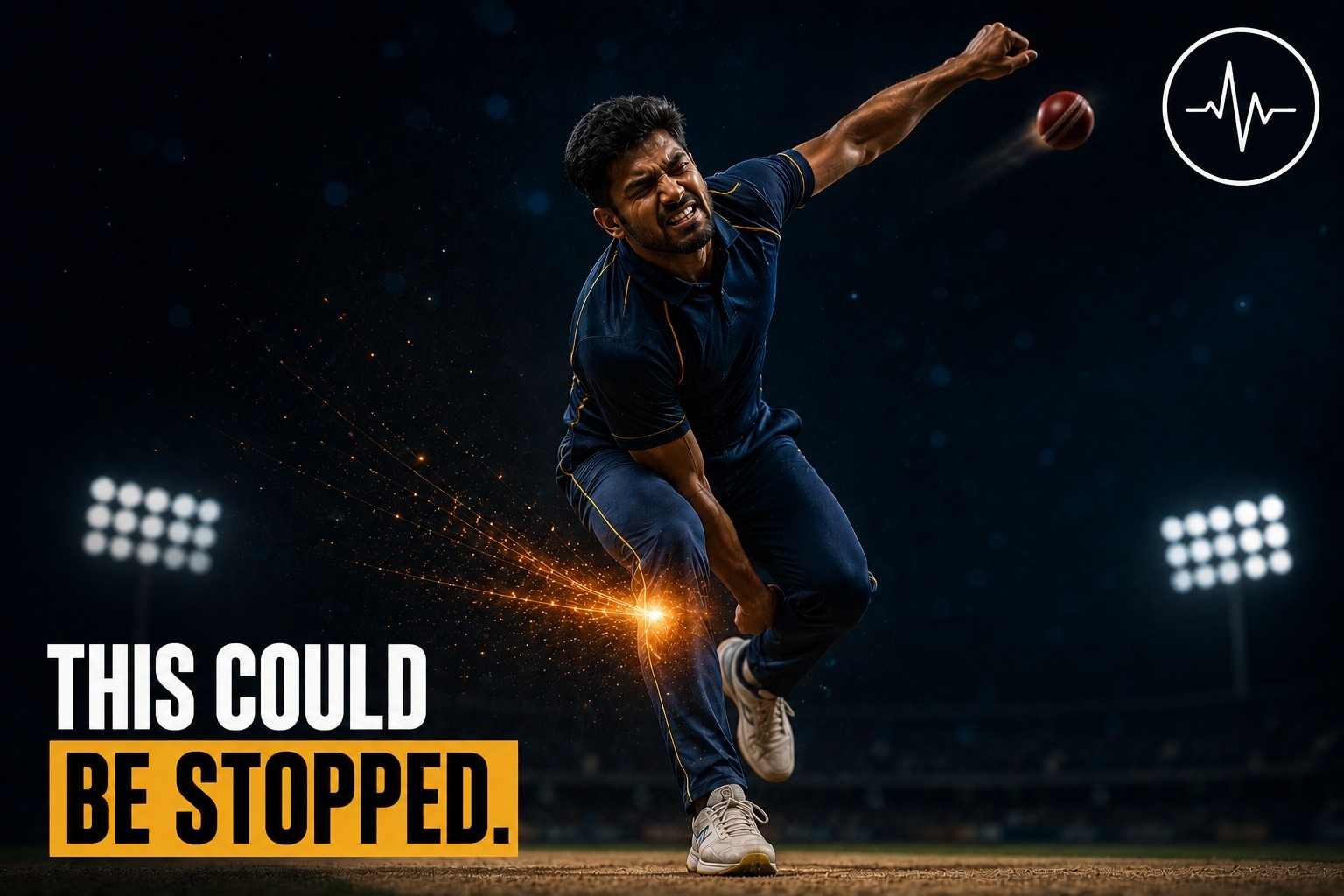
Beyond everyday functional demands, knee pain is also rising sharply among amateur and recreational athletes. Unlike professional sportspersons who train under structured supervision, recreational athletes like weekend runners, casual footballers and gym-goers often skip warm-ups, underestimate recovery, and return to sport before an injury has fully healed. Without adequate strengthening of the muscles around the knee, the joint absorbs forces it was never meant to bear alone. What begins as a minor ache after a run or a match gradually progresses into persistent pain, reduced performance, and in some cases, structural damage that requires medical intervention.
As the wear progresses, people usually begin to worry about needing a knee replacement. In reality, for a large number of patients, early-stage knee damage can be managed through knee preservation treatments that protect the natural joint. Ortho-One is a prime example of a sub-specialty hospital that offers such a manner of knee preservation treatment in Coimbatore.
For decades, knee replacement transformed the lives of those who had lost the ability to walk without pain and it remains a vital solution. But as understanding of joint biology deepened, so did a more fundamental question: could the knee be saved before it reaches the point of no return? Today, the focus has shifted toward preservation by intervening early, repairing damage, and delaying or avoiding replacement altogether.
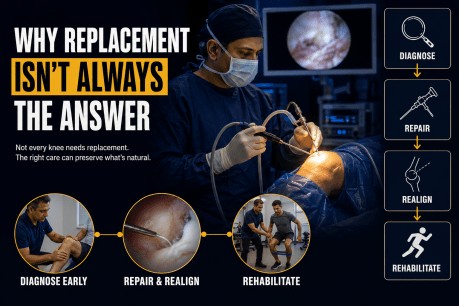
Knee preservation is an approach focused on repairing and protecting the natural knee joint instead of replacing it with an artificial implant. Knee preservation includes a precise diagnosis, arthroscopic procedures, physiotherapy and alignment-correcting surgeries that can slow or reverse damage so that one can continue to use the knee for as long as possible. This is important for patients who are active, and younger or middle-aged seeking knee preservation treatment.
Key benefits of knee preservation treatment at Ortho One, Coimbatore, include:
The earlier you address the wear and tear, the higher the chance we can preserve your natural joint.
Contact us to see how you can preserve your knee without surgery.

Address
Operational Hours:
10:00 AM – 7:00 PM | Monday to Saturday
Facilities
Treatments
Quick Links



 Book an appointment
 Athletes Empowerment
 Orthopaedic Education