India has never lacked talent. From school playgrounds to district tournaments, raw potential is everywhere. What we often lack is a structured system that nurtures that talent patiently and scientifically over time.
This is where Long-Term Athlete Development (LTAD) becomes important. It is a roadmap that guides athletes from childhood to elite performance while protecting their physical and mental wellbeing at every stage.
Long-Term Athlete Development is a stage-based model that aligns training with an athlete's growth and biological development and not just their age.
Instead of asking how we win this tournament, LTAD asks how we can build this athlete for the next 10 to 15 years.
The model broadly includes these stages:
• Active Start: Focus on play and basic movement.
• FUNdamentals: Developing agility, balance, and coordination.
• Learn to Train: Exposure to multiple sports.
• Train to Train: Building endurance, strength, and skill base.
• Train to Compete: Refining sport-specific performance.
• Train to Win: Elite-level preparation.
• Active for Life: Encouraging lifelong fitness and sport.
The core idea is simple. To provide the right training at the right time in the right way.
In India, we often see two extremes. Early specialisation at a very young age and an overemphasis on winning junior-level tournaments.
A 10-year-old is trained like a mini professional. A 14-year-old is pressured to make it big. Ambition is not the problem but premature intensity and pressure put on young athletes is a problem.
Many athletes who dominate at the school level disappear before reaching senior competition. The problem is not that there is a lack of talent but a lack in development planning.
Several things can happen when young athletes are pushed into high-volume, sport-specific training before their bodies are ready. Growth plate stress injuries and overuse injuries increase. The child could also be mentally fatigued.
The body has windows during which certain types of training produce the best results. When coaches and parents miss those windows and focus on the repetitive patterns of a sport, physical qualities become harder to develop later.

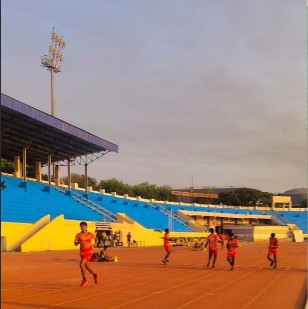
At this age, the priority is movements like jumping, running, throwing, catching and balancing. Children who move well in multiple patterns at this stage have a significantly better foundation for athletic development.
The research is consistent on this. Early multi-sport exposure improves coordination, reduces injury risk and builds what coaches call athletic intelligence. A child who has played football, swimming, and athletics is physically richer than one who has only ever done one of them.
This is the single most important window for developing fundamental motor skills. The nervous system is highly receptive. Technical skills learned now become deeply embedded. This is a time for skill acquisition and getting the basics right. Doing these well during this stage can pay pidends for the rest of an athletic career.
This is where strength, endurance, and sport-specific skill development begin in earnest. It, however, must be managed carefully. Rapid growth during this period can create vulnerabilities as the bones lengthen faster than the muscles and tendons adapt. Training loads that are fine for an adult can cause serious overuse injuries in a 13-year-old.
Athletes who have developed patiently are ready for higher training volumes at this stage. Coaches, parents and athletes can focus on competition preparation and sport-specific intensity. Athletes in this stage have the physical foundation to handle the tough demands placed on the body. They have not used up their resilience on premature load.
This is also the stage where sports medicine support becomes most important. At Ortho One, Coimbatore, we work with athletes at this point in their development to support injury prevention, load management, and return to sport.
LTAD encourages long-term thinking in coaches. Training sessions should be designed around growth spurts, coordination development, recovery needs and the next competition. During this stage, coaches can pay keen attention to understanding peak height velocity, motor learning windows, and injury risk phases which can make a meaningful difference in how long an athlete stays healthy and competitive.
It is good for athletes to win at under-14 level, but becoming a resilient senior athlete is better. A coach's reputation is not built on early junior medals but on how many of those junior athletes are still competing at 25.
• Design training around developmental stage not chronological age
• Prioritise skill quality over training volume in early years
• Introduce sport-specific intensity gradually
• Monitor for signs of overuse injury and fatigue proactively
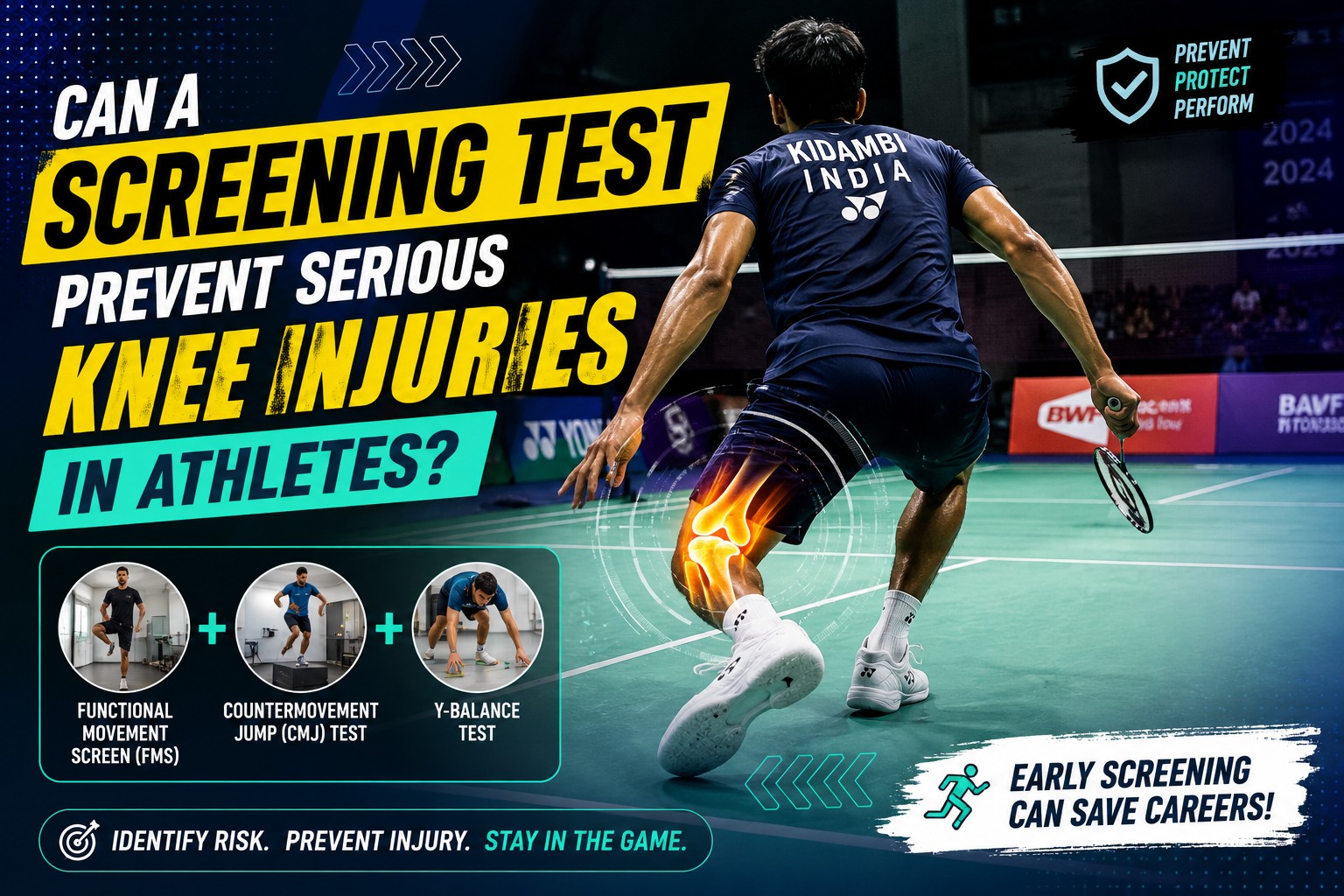
• Use video analysis and movement screening as regular tools
Parents play a significant role in athlete development. The pressure to see quick success is understandable. Time, money, and genuine care are invested. But the most important thing a parent can do for a young athlete is resist the pressure to accelerate.
Children need variety in the early years. Multi-sport exposure improves coordination, reduces injury risk, and builds overall athletic capability. A child who enjoys sport today is more likely to become a high-performing athlete tomorrow. A child who is burned out at 15 may never find out what they could have become.

Sports medicine is not just for athletes who are already injured. In the LTAD framework, it is a proactive part of athlete development.
Movement screening at the right stages identifies weaknesses before they become injuries. Strength and conditioning guidance ensures that loading is appropriate for the athlete's developmental stage. Return-to-sport protocols after injury are designed to get athletes back without rushing.
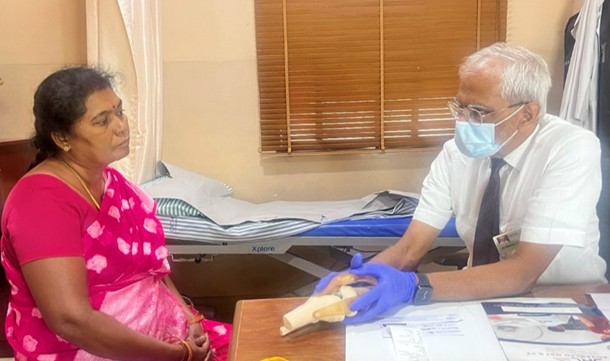
At Ortho One Orthopaedic Speciality Centre, Coimbatore, our sports medicine team works with young athletes, coaches, and parents in India to support healthy development. We conduct movement screening assessments, manage overuse injuries, and provide rehabilitation that respects where an athlete is in their development. We have seen firsthand what happens when development is rushed. And we have seen what is possible when it is done right.
If India wants consistent international success, the approach to athlete development has to change. Short-term ambition needs to give way to long-term vision.
India has already started moving in this direction. Initiatives like Khelo India and increased sports science integration at elite levels are real steps forward. But widespread grassroots implementation is still evolving.
What is needed
- structured coach education grounded in LTAD principles,
- parents who understand the value of patience,
- competition formats that prioritise skill acquisition over early results
- data-driven athlete monitoring.
- strong injury prevention frameworks.
Most sports science research suggests that specialisation before age 12 to 13 increases injury risk and reduces long-term potential. Multi-sport participation through the early teenage years produces better outcomes in most cases. Late specialisers often overtake early specialists by their mid-twenties.
Persistent fatigue that does not improve with rest, recurring injuries in the same area, declining performance despite continued training, loss of motivation, sleep disruption, and mood changes are all warning signs. If several of these are present at the same time a medical assessment is needed.
By following the LTAD model, coaches can ensure that training loads match the athlete's physical readiness at each stage of development. It can ensure a reduced stress on immature bones, tendons, and joints. It also ensures that the athlete is protected against injury at higher training intensities later on by building neuromuscular strength and movement quality.
The core principles of the LTAD model apply universally. The specific implementation needs to account for India's climate, nutrition patterns, school and competition calendars, and the financial realities that shape many young athletes' access to coaching and facilities.
At Ortho-One Orthopaedic Speciality Centre we support young athletes with movement screening, injury prevention assessments and sports medicine guidance that fits their stage of development.
Book a sports medicine assessment at Ortho One, Coimbatore.

When The First Surgery Isnt Enough: Revision Surgeries At Ortho One Orthopaedic Speciality Centre

Address
Operational Hours:
10:00 AM – 7:00 PM | Monday to Saturday
Facilities
Treatments
Quick Links



 Book an appointment
 Athletes Empowerment
 Orthopaedic Education